


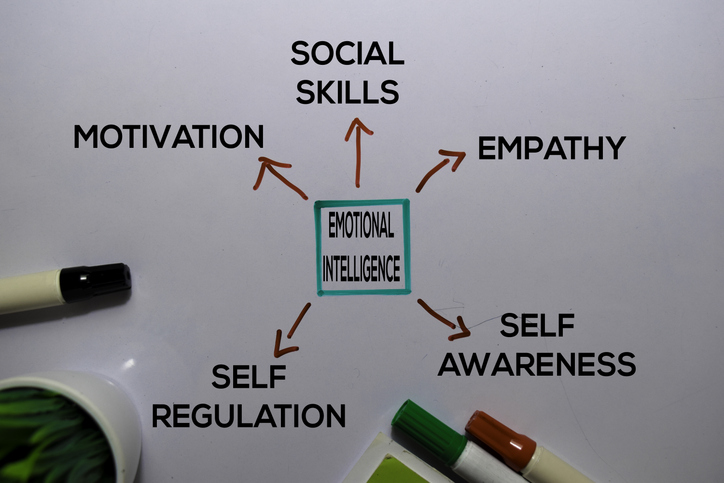
When markets crash, disasters strike, or organizational survival hangs in the balance, a leader’s ability to maintain emotional equilibrium becomes as crucial as their strategic acumen. Recent studies of executive behavior during crisis situations reveal that emotional intelligence (EI) plays a pivotal role in effective decision-making under extreme pressure.
Research from Harvard Business School’s Leadership Initiative shows that leaders who successfully navigate crises share a common trait: the ability to recognize and regulate their emotional responses while remaining attuned to the emotional state of their teams. This emotional awareness creates what psychologists call a “pause-and-plan” response, rather than the more primitive “fight-or-flight” reaction that can lead to impulsive decisions.
Consider Anne Mulcahy’s leadership during Xerox’s near-bankruptcy in 2000. Despite intense pressure from stakeholders and media scrutiny, Mulcahy demonstrated remarkable emotional regulation. She maintained transparency with employees while making difficult restructuring decisions, showing that emotional intelligence doesn’t mean avoiding tough choices – it means making them with awareness and intentionality.
The neurological underpinnings of crisis decision-making reveal why emotional intelligence is so crucial. Under extreme stress, the amygdala – our brain’s emotional center – can override the prefrontal cortex, which handles rational thinking. Leaders with high EI can recognize this physiological response and actively engage their prefrontal cortex through techniques like focused breathing and conscious perspective-taking.
However, emotional intelligence in crisis goes beyond individual self-regulation. Top executives must also create what organizational psychologists call “emotional containment” – the ability to absorb and process the collective anxiety of their organization while maintaining strategic focus. This requires leaders to act as emotional barometers, sensing and responding to the psychological state of their teams without becoming overwhelmed themselves.
The recent shift toward remote and hybrid work environments has added new complexity to crisis leadership. Leaders must now demonstrate “digital emotional intelligence” – the ability to read emotional cues and maintain psychological safety through virtual channels. This skill became particularly vital during the global pandemic, when leaders had to make rapid decisions while managing distributed teams under unprecedented stress.
Practical strategies for developing crisis-ready emotional intelligence include regular scenario planning that incorporates emotional components, building diverse support networks for perspective-sharing, and establishing personal resilience practices before crises hit. Leading organizations now incorporate these elements into their executive development programs, recognizing that emotional intelligence is not just a “soft” skill but a critical component of crisis readiness.
As business environments become increasingly volatile, the intersection of emotional intelligence and crisis decision-making will only grow in importance. The most effective leaders will be those who can maintain their emotional center while steering their organizations through turbulent waters.
