


In the evolving landscape of corporate leadership, technical expertise and strategic thinking are no longer enough to guarantee executive success. A new crucial factor has emerged: emotional intelligence (EI). This shift represents a fundamental change in how we understand effective leadership and organizational performance.
Recent studies have shown that executives with high emotional intelligence consistently outperform their peers in key business metrics. These leaders demonstrate superior ability in managing complex organizational dynamics, driving innovation, and maintaining high employee engagement levels. Their secret weapon? The capacity to understand and respond to the emotional needs of their teams and stakeholders.
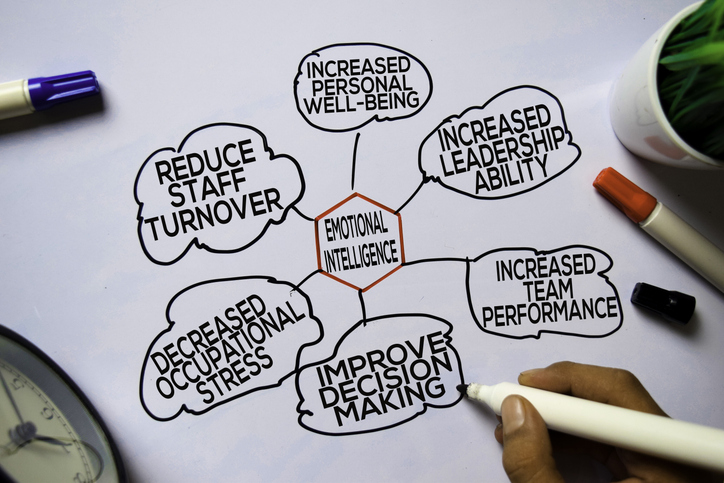
Consider Sarah Chen, CEO of a leading tech company, who transformed her organization’s culture by prioritizing emotional intelligence in leadership development. Under her guidance, employee turnover decreased by 40%, while productivity and innovation metrics showed significant improvement. “Understanding the human element of business isn’t just about being nice,” Chen explains. “It’s about creating an environment where people feel valued, understood, and motivated to contribute their best work.”
The impact of emotionally intelligent leadership extends beyond internal operations. In an era where corporate authenticity and social responsibility matter more than ever, executives who can genuinely connect with customers, employees, and communities have a distinct advantage. They’re better equipped to navigate crises, build trust, and foster lasting relationships with stakeholders.
However, developing emotional intelligence isn’t a simple task. It requires dedicated effort and continuous self-reflection. Successful executives are increasingly investing in EI training, mindfulness practices, and coaching to enhance their emotional awareness and relationship management skills. The return on this investment is clear: stronger teams, more resilient organizations, and sustainable business success.
As we look to the future of executive leadership, one thing becomes increasingly clear: the ability to understand and manage emotions – both one’s own and others’ – is not just a valuable skill but a critical determinant of success. The empathy advantage is redefining what it means to be an effective leader in today’s complex business environment.
